
Seasonal Low Mood Survival Guide for Students
If your mood crashes every time the weather changes, you’re not imagining it.
Shorter days, gray skies, freezing walks to class, and being stuck inside can all mess with your energy, focus, and motivation. For a lot of students, fall and winter don’t just mean cozy sweaters—they mean feeling heavy, foggy, and weirdly hopeless for “no reason.”
You’re not broken for struggling more when the light disappears. Your brain and body are reacting to real changes in your environment, your schedule, and your stress load.
Key Takeaways:
✓ Seasonal low mood is extremely common in teens and young adults, and it’s shaped by light, sleep, stress, and routines—not personal weakness
✓ Tiny “maintenance mode” habits (light, movement, connection, and structure) help more than huge life overhauls when you’re feeling down
✓ Protecting your sleep and screen habits is one of the most powerful ways to stabilize mood during darker months
✓ You can build a simple “winter wellness routine” using 5-minute actions that fit around classes, work, and studying
✓ If you’re struggling and can’t afford therapy, there are still accessible tools, campus resources, and wellness apps that can support you
1. Why seasons hit students so hard
You might notice a pattern:
- Fall hits → motivation tanks
- Winter break ends → anxiety spikes
- Days get longer → mood slowly lifts again
For a lot of students, this cycle repeats every year.
What’s actually going on
Several things are stacking on top of each other:
- Less daylight – Less light can throw off your body clock and mess with the chemicals that regulate mood and energy.
- Sleep chaos – Dark mornings make it harder to wake up; late-night studying and scrolling make it harder to fall asleep. Chronic sleep disruption is strongly tied to mood swings and irritability. Research shows that chronic sleep deprivation in teens is linked to more mood swings and emotional reactivity, which can mimic or worsen emotional conditions (National Sleep Foundation, 2024).
- Academic pressure – Midterms, finals, and big projects often land right when the weather is worst.
- Less movement and social time – It’s way easier to cancel plans or skip the gym when it’s freezing and dark at 5 p.m.
Globally, low mood, anxiety, and behavioral challenges are among the leading causes of difficulty in adolescents (WHO, 2025). So if the combination of school + seasons is crushing your vibe, you’re very much in the majority.
It’s not “just being lazy”
Seasonal low mood can look like:
- Struggling to get out of bed even when you slept enough
- Feeling numb or “meh” about stuff you usually enjoy
- Crying more easily or feeling randomly hopeless
- Brain fog and focus issues (especially if you already have ADHD)
- Wanting to cancel everything and stay in your room
None of that is a character flaw. It’s your nervous system trying to function under low light, high stress, and constant demands.
In summary: Seasonal low mood is a predictable reaction to real environmental changes—especially for students who are already juggling anxiety, ADHD, or other emotional challenges.

2. Spotting your seasonal pattern
Before you can build a survival plan, it helps to know what your version of seasonal low mood looks like.
Notice your early warning signs
Common early warning signs in young people include sleep or appetite changes, mood swings, and withdrawing from friends (American Psychiatric Association, 2024). Other signs are difficulty concentrating, irritability, and unexplained headaches or stomachaches (NIMH/APA, 2024).
For you, it might be things like:
- Suddenly hitting snooze 5 times instead of 1
- Going from “I kind of like my major” to “nothing matters, what’s the point”
- Skipping meals without noticing
- Ghosting group chats because you “don’t have the energy to respond”
Example:
You notice that every October, you start missing morning classes “by accident,” scrolling later at night, and feeling like everyone else is doing fine while you’re underwater.
Instead of assuming you’re failing, you start to label it: “Oh, this is my seasonal crash showing up again.”
Labeling it doesn’t fix it—but it makes it less confusing and less personal.
Track tiny data, not perfection
You don’t need a 20-page mood journal. Try tracking just 2–3 things for a couple of weeks:
- Hours of sleep
- Time you first see daylight
- Rough mood rating (0–10)
You can do this in your notes app, a paper notebook, or a simple wellness tracker. The goal is to see patterns like:
- “When I don’t see daylight until noon, my mood tanks.”
- “If I go to bed after 1 a.m. three nights in a row, everything feels pointless.”
In summary: Seasonal low mood is easier to handle when you recognize your personal “uh-oh” signs early instead of waiting until you’re fully burnt out.
3. Light, sleep, and screens
If you only remember one section, make it this one. Light and sleep are like the soil and water of your emotional garden.
Teens with better sleep have way fewer mood symptoms. Nearly 80% of adolescents who earn a high grade on healthy sleep behaviors are free of significant low mood symptoms (National Sleep Foundation, 2024). On the flip side, nearly seven in ten teens who are dissatisfied with their sleep report elevated low mood symptoms (National Sleep Foundation, 2024).
Morning light, even if you hate mornings
You do not need to become a 5 a.m. gym person. But a tiny dose of morning light can help reset your body clock.
Try:
- Opening your blinds as soon as you wake up
- Standing by a window for 2–3 minutes while you scroll or drink water
- If you commute, taking off your sunglasses for a bit (if it’s safe for your eyes)
If natural light is limited, some students find light therapy lamps helpful—but if you can’t afford one, even gray daylight is still better than none.
Protecting your sleep window
You don’t need perfect sleep hygiene. Focus on one or two small shifts:
-
Set a “screens down-ish” time
Not zero screens, just softer ones. After that time:- ✅ Podcasts, music, low-stakes shows
- ❌ Doomscrolling, heated comment sections, intense news
Teens with more than four hours of daily screen time are about twice as likely to report anxiety or low mood symptoms compared with those with less screen time (CDC, 2024). You don’t have to quit your phone—just notice when “one more scroll” makes you feel worse.
-
Create a low-effort wind-down
- Brush teeth + wash face (even if that’s all you do)
- Put your phone to charge across the room if you can
- Do one tiny grounding thing: stretch, breathe, or write one sentence about your day
-
Aim for roughly consistent sleep and wake times
Not perfect, just “within an hour or so” most days. Teens with minimal or no low mood symptoms sleep significantly longer on school nights than those with more severe symptoms (Saravanan et al., 2024), so even an extra 30–60 minutes helps.
In summary: Think of light and sleep as your basic winter survival gear. You don’t need to optimize them—just protect them enough that your brain isn’t running on fumes.
4. Tiny body-based resets
When you’re feeling down, advice like “just exercise more” feels impossible. But movement really does help: exercise significantly improves low mood in children and adolescents, especially aerobic movement (Li et al., 2023), and a 2025 review found that exercise reduces both low mood and anxiety symptoms in youth (Singh et al., 2025).
The key is to shrink “exercise” down to something your tired brain can actually say yes to.
5-minute movement ideas
Pick one that feels least terrible:
- Walk one loop around your building or down your dorm hallway
- Do 10 slow squats or wall push-ups while your coffee brews
- Stretch your arms overhead and roll your shoulders for 30 seconds
- Put on one song and move however (standing, sitting, or in bed)
You’re not training for a marathon—you’re just reminding your body it exists.
Warmth and comfort as regulation
Cold, tense bodies feel worse. Try simple warmth hacks:
- Hot shower or bath if you have access
- Warm drink (tea, coffee, hot chocolate, even warm water)
- Heating pad or hot water bottle on your chest or stomach while you study
These are not “silly comforts.” They’re nervous system tools.
Eat like you’re supporting a future you
Low mood often kills appetite or makes you crave only carbs and sugar. Aim for accessible, not perfect:
- Keep one easy snack on hand: nuts, crackers, yogurt, instant oatmeal
- If cooking feels impossible, assemble food: bread + cheese, microwave rice + beans, frozen meals
- Eat something small every 3–4 hours, even if you’re not hungry
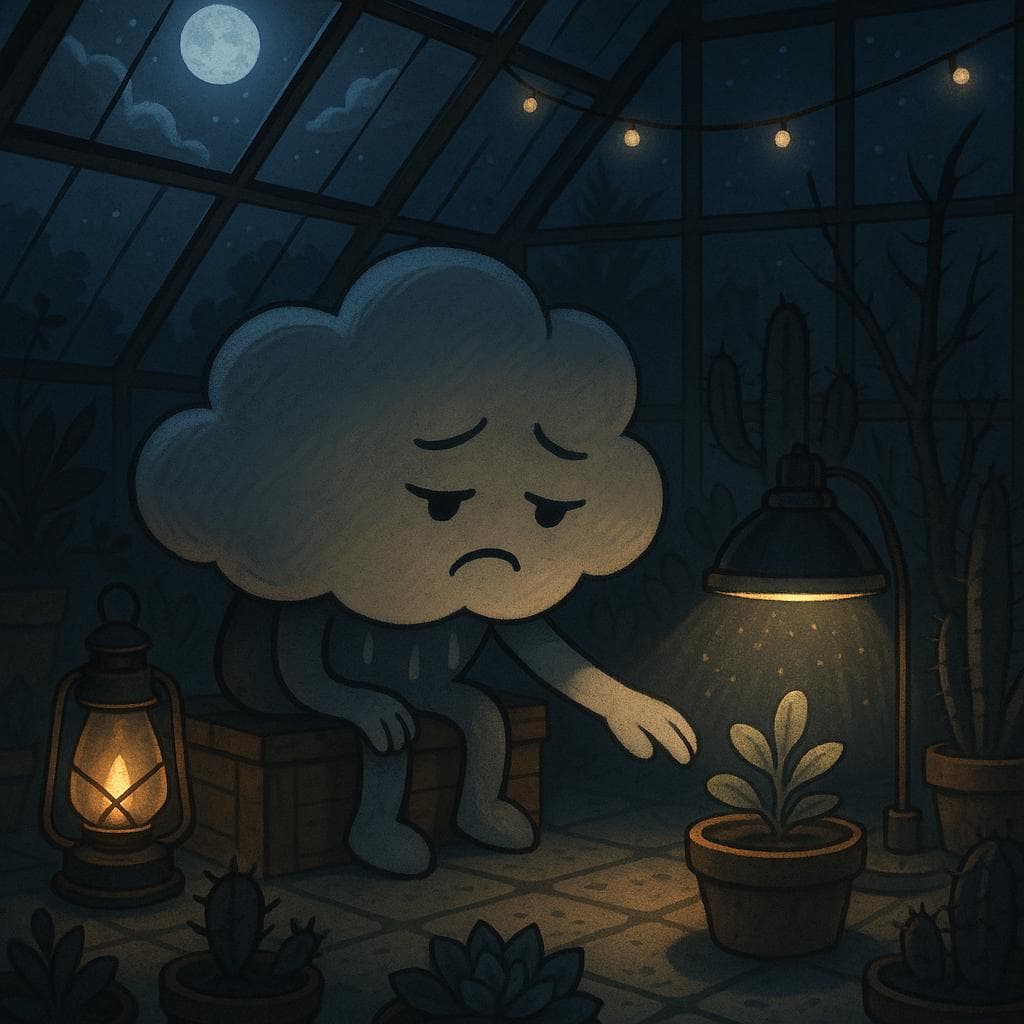
In summary: Small, kind actions for your body—movement, warmth, and simple food—are like watering a plant that’s starting to droop. Not dramatic, but quietly life-saving.
5. Routines that don’t feel fake
Seasonal low mood makes time feel weird. Days blur together. You wake up, scroll, drag yourself through classes, repeat. A loose routine can give your brain “anchors” so you don’t feel like you’re floating in space.
If you already struggle with ADHD, you probably know that rigid routines don’t stick. So think in terms of tiny anchors, not strict schedules.
Build a “winter baseline”
Pick just 3–5 things that mean: “Today I tended to myself at least a little.”
| Winter Baseline Habit | Time Needed | Why It Helps |
|---|---|---|
| Open blinds / see daylight | 1–2 min | Light reset for your body clock |
| Drink water in the morning | 1–3 min | Gentle signal to your body that the day started |
| Move for one song | 3–5 min | Boosts energy and lowers stress |
| Send one check-in text | 2 min | Keeps connection alive when you want to isolate |
| Do a 30-second mood check | <1 min | Builds emotional awareness and self-compassion |
You don’t have to hit all of them every day. Hitting any of them counts.
For more on building realistic routines, you might like this guide on building a wellbeing routine that actually sticks.
Stack habits onto things you already do
Instead of inventing new time slots, attach tiny actions to existing ones:
- After you brush your teeth → open the blinds
- After you open your laptop for class → drink some water
- After dinner → send one “thinking of you” text
This is especially helpful if ADHD makes “start” the hardest part.
Make “maintenance mode” the goal
During heavy seasons, the goal is not “glow up.” It’s maintenance:
- Keeping your grades good enough to pass
- Keeping your space safe enough to function
- Keeping your body cared for enough to get through the week
You are allowed to be in survival mode. You’re still worthy of care even when you’re not “thriving.”
In summary: A seasonal survival routine is just a handful of tiny anchors that remind you: “I’m still here, and I’m still worth tending to.”
6. Connection when you want to hide
Seasonal low mood loves isolation. It tells you:
- “You’re too much.”
- “You’ll drag everyone down.”
- “They’re all busy; don’t bother them.”
But teens who feel more connected to school and support systems have lower rates of persistent sadness and substance use (CDC, 2024). Connection isn’t a luxury; it’s protective.
Low-energy ways to stay connected
You don’t have to be the life of the group chat. Try:
-
Broadcast honesty
- “Hey, I go quiet around this time of year. If I don’t reply fast, I still care.”
-
Ask for low-effort company
- “Can we just be on FaceTime while we both do our own thing?”
- “Want to sit in the library together and not talk?”
-
Join structured spaces
- Office hours
- Study groups
- Clubs where you can just show up and listen
You might also find support in campus counseling or wellness centers. Many students never use these, even though they exist—about two-thirds of college students report not using any campus emotional wellness resources at all (American Psychiatric Association, 2023). If you have access, it’s okay to use it.
For a deeper dive, check out this piece on the loneliness epidemic and why everyone feels isolated.
Boundaries still matter
You don’t have to say yes to every invite just because “connection is good.”
Use this simple filter:
- Will this leave me feeling a bit more okay or a lot more drained?
If it’s the second, it’s okay to say:
- “I care about you, but I don’t have the energy for that right now.”
- “Rain check? My brain is in low-power mode today.”
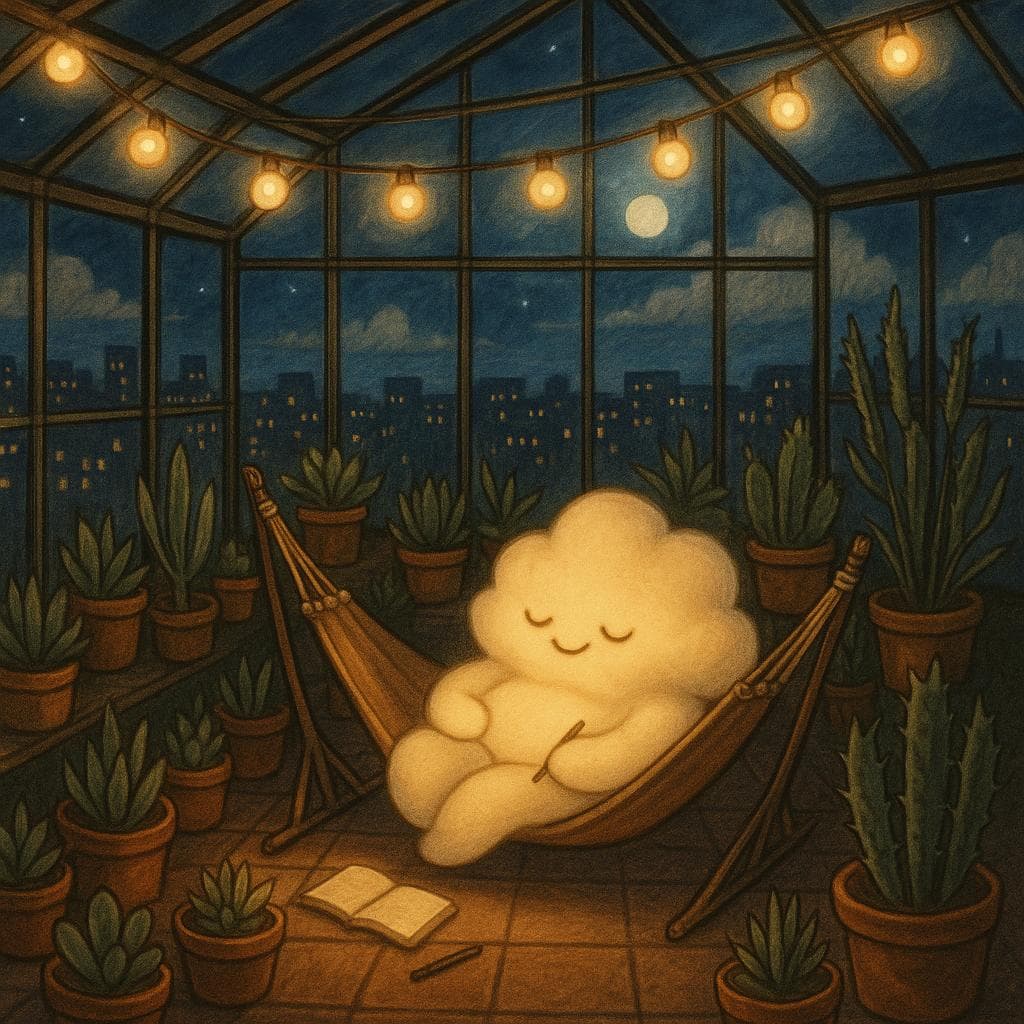
In summary: Seasonal low mood tells you to disappear, but tiny, honest moments of connection can act like little lanterns in a dark season.
7. When you need extra support
Sometimes seasonal low mood is mild and annoying. Sometimes it’s heavy enough that basic things—showering, eating, going to class—start to slip for weeks.
You deserve support long before you reach a breaking point.
If you can’t afford therapy
A lot of students are in the “I’m struggling but I can’t afford therapy” zone. You’re not alone:
- More than 1 in 7 children and adolescents worldwide are living with a diagnosed emotional condition, yet most will never receive adequate treatment (UNICEF, 2023).
- Despite need, 20% of U.S. adolescents reported having unmet care needs in the past year (CDC, 2025).
If traditional therapy isn’t accessible right now, you still have options:
- Campus counseling services – Often included in tuition or low-cost. We have a whole guide on making the most of campus counseling services.
- Supportive adults – Professors, advisors, RAs, coaches, or mentors who can help with extensions, workload, or just listening.
- Peer support + group spaces – Student organizations, identity-based groups, or support circles.
- Digital tools – Journaling, CBT-style exercises, and wellness apps can offer structure, reflection, and gentle accountability. They’re not replacements for therapy, but they can be meaningful therapy alternatives when you can’t get regular sessions.
Remember: this article is information and support, not a diagnosis or treatment plan. If seasonal low mood is making it hard to function for more than a couple of weeks, reaching out to a counselor, doctor, or trusted adult is a strong, valid next step.
8. Conclusion: Tending your winter garden
Seasonal low mood can make your life feel like a garden in deep winter—bare, frozen, and kind of hopeless. But winter isn’t the end of the story; it’s a season your garden is built to survive.
You’ve learned how:
- Light, sleep, and screens quietly shape your mood
- Tiny body-based actions—movement, warmth, food—support your brain
- Simple routines and “maintenance mode” habits keep you afloat
- Honest, low-energy connection helps you feel less alone
- Support is still possible even when you can’t afford weekly therapy
One concrete next step:
Pick one tiny action from this guide and try it today. Not all of them. Just one. Maybe it’s opening your blinds. Maybe it’s walking one loop around your building. Maybe it’s sending one “hey, my brain is struggling” text.
That one action is you tending to yourself, even in a hard season.
If you want a gentle place to keep track of these tiny actions and see them grow over time, you can download Melo and let your own little wellness garden reflect the care you’re giving yourself—especially on days your brain forgets it counts.
Note: This article is for general information and support only. It’s not a substitute for professional care. If your low mood, anxiety, or other emotional struggles are making daily life really hard, consider reaching out to a therapist, counselor, or healthcare provider for more personalized support. You deserve help that fits what you’re going through.