
High-Functioning Burnout: Looking Fine While Falling Apart
If you’ve ever thought, “Everyone thinks I’m doing great, but I feel like I’m barely holding it together,” this one’s for you.
High-functioning burnout is that weird space where your grades, job, or resume look solid—but inside you’re exhausted, numb, and one tiny thing away from snapping. You’re not “too dramatic.” You’re not failing at adulting. You’re just running on fumes in a system that expects way too much.
Key Takeaways:
✓ High-functioning burnout means you’re still performing in school or work, but your body, brain, and emotions are quietly waving red flags
✓ Anxiety, ADHD, and perfectionism can all hide burnout by pushing you to keep over-functioning instead of resting
✓ Simple body checks, “maintenance mode” routines, and tiny boundaries are more realistic than full life overhauls when you’re already drained
✓ You don’t have to afford weekly therapy to get support—self-guided tools, peer support, and gentle wellness apps can help you start tending to yourself
✓ Burnout isn’t a personal failure; it’s often a logical response to nonstop pressure, financial stress, and constant comparison
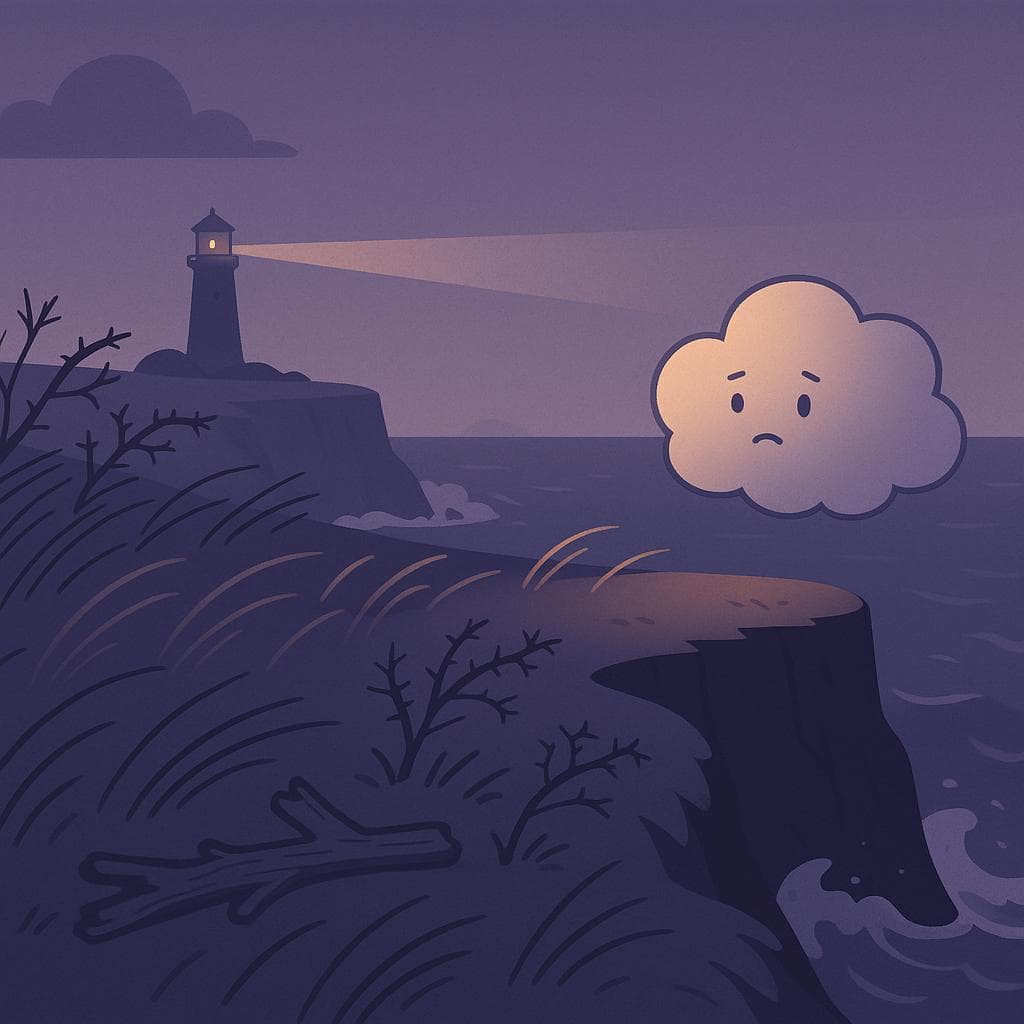
1. What “high-functioning” burnout really looks like
Most people picture burnout as someone who can’t get out of bed or has completely crashed. High-functioning burnout is sneakier.
You might still be:
- Turning in assignments on time
- Showing up to work or class
- Replying in the group chat
- Looking “fine” on social media
But at the same time, you’re:
- Drained all the time, no matter how much you sleep
- Weirdly numb—things you used to care about feel… whatever
- Snapping at people over tiny things, then feeling guilty
- Needing constant background noise or scrolling so your thoughts don’t spiral
- Feeling like you’re acting your way through the day
College and early adulthood are a perfect storm for this. One national survey found that over 60% of college students met criteria for at least one emotional challenge during the 2020–2021 year (APA, 2022). At the same time, about two-thirds didn’t use any campus wellness resources at all (American Psychiatric Association, 2023). Translation: a lot of people are struggling quietly while still “functioning.”
Common signs you might ignore
Some subtle burnout signs get dismissed as “just being busy”:
- You can’t relax without feeling guilty. Rest feels like you’re falling behind.
- You overwork, then crash. All-nighters → dead days → repeat.
- Your hobbies feel like chores. Even fun stuff feels like another task.
- You’re always “on.” You keep performing socially even when you’re empty.
- Your body is complaining. Headaches, stomach issues, tight chest, random aches.
Example:
You pull a 10/10 presentation, everyone compliments you, your professor says “You’re one of my most reliable students.”
You smile, say thanks, then go home and lie on the floor for an hour because you literally cannot move.
That gap—between how capable you look and how wrecked you feel—is classic high-functioning burnout.
In summary
High-functioning burnout = you’re still getting things done, but your inner world is running on emergency power. The problem isn’t that you’re weak; it’s that you’ve been in survival mode for too long.
2. Why this hits Gen Z so hard
You’re not imagining it—young adults are carrying a lot.
In 2023, about 33.8% of U.S. young adults aged 18–25 had some kind of emotional or behavioural challenge in the past year, the highest rate of any adult age group (SAMHSA, 2024). Globally, low mood, anxiety and behavioural challenges are among the leading causes of difficulty in adolescents (WHO, 2025).
So why does burnout show up as “high-functioning” for so many Gen Z students and early-career folks?
Constant performance pressure
You grew up in a world where:
- Grades feel like your entire future
- Internships are expected before you even graduate
- Every achievement goes on LinkedIn or Instagram
- Everyone seems to be doing more, earlier, faster
When your worth feels tied to performance, you learn to keep going even when your mind and body are done.
ADHD and anxiety masking burnout
If you have ADHD or anxiety (diagnosed or not), you might already know how to push yourself with:
- Panic (“If I don’t do this, everything falls apart”)
- Hyperfocus (“I’ll just grind for 6 hours straight and forget to eat”)
- Perfectionism (“If it’s not perfect, it doesn’t count”)
That combo can make you look extra productive—until you crash.
We talk more about how this cycle shows up in Gen Z burnout and emotional wellness, but the short version: your brain is not built to run at 110% forever.
Economic and emotional stress
On top of school or work:
- Many students are juggling jobs plus classes
- Rent, groceries, and tuition keep rising
- Student debt hangs over everything
Research shows that supporting youth wellness means paying attention to both risk factors (like financial pressure and discrimination) and protective factors (like supportive adults and school connection) (HHS Surgeon General, 2025). Burnout often shows up when your risk factors are high and your support is low.
In summary
Gen Z isn’t “soft.” You’re navigating nonstop pressure, uncertainty, and comparison. High-functioning burnout is a very understandable response to that environment.
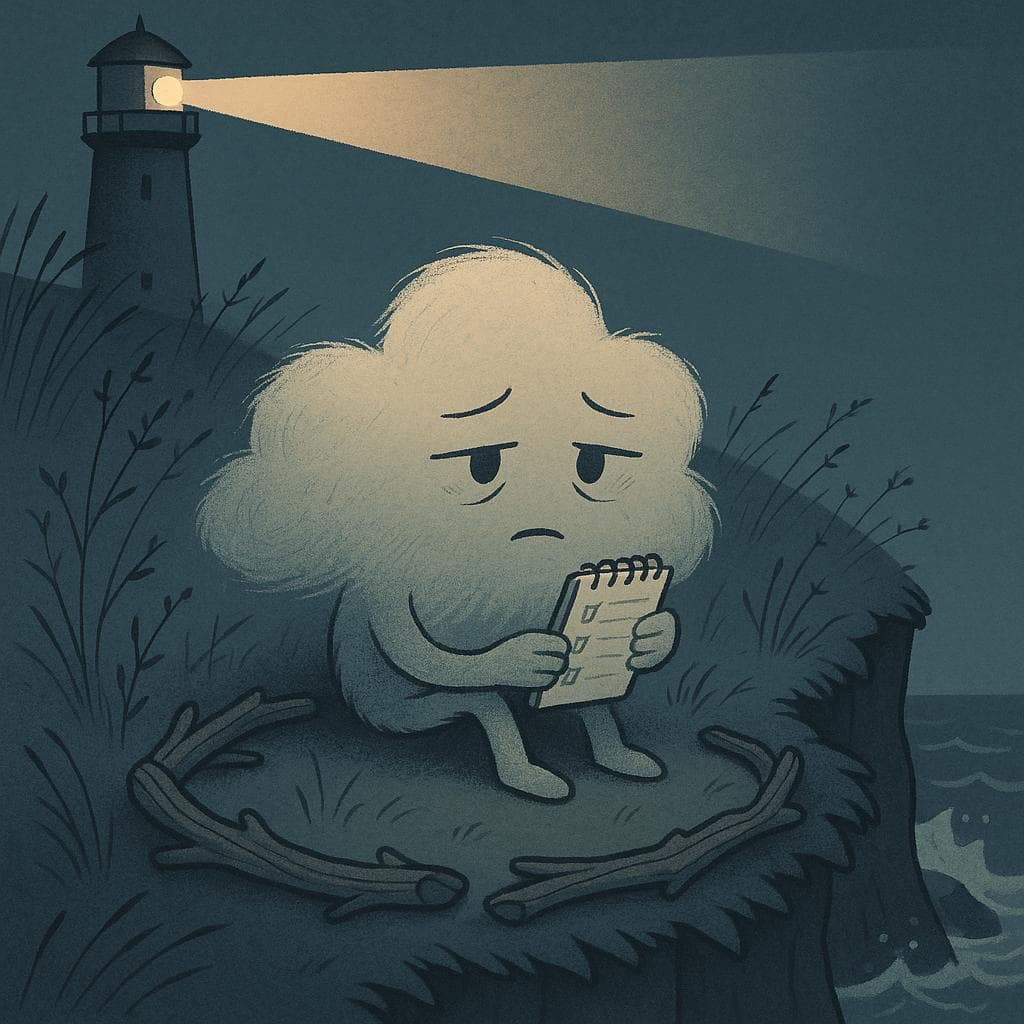
3. How to tell it’s burnout, not “just stress”
Stress happens. Burnout is what happens when stress goes on too long with not enough recovery.
Here’s a quick comparison:
| Daily Stress | High-Functioning Burnout |
|---|---|
| Tired after a long day | Tired even after rest or sleep |
| Still feel motivated sometimes | Motivation feels flat or gone |
| Can enjoy breaks or fun plans | Breaks don’t feel refreshing |
| Mood bounces back after stress | Mood stays low or irritable for weeks |
| Short-term push, then recover | Constant push, no real recovery |
Emotional signs
- Feeling detached from friends, classes, or work
- Feeling like nothing you do is “enough”
- More cynicism: “What’s the point?”
- Irritability, snapping, or wanting to disappear for a bit
Body signs
Chronic sleep deprivation in teens and young adults is linked to more mood swings, irritability and emotional reactivity (National Sleep Foundation, 2024). Burnout loves to mess with your sleep:
- Can’t fall asleep because your brain is replaying the day
- Waking up tired, even after a full night
- Sleeping way more than usual and still exhausted
You might also notice:
- Tension in your jaw, neck, or shoulders
- Headaches or stomach issues with no clear cause
- Getting sick more often
Functioning vs. wellbeing
You might think, “But my grades are fine” or “I’m still hitting deadlines.” That’s functioning. Burnout shows up more in how you’re doing, not just what you’re doing.
Questions to check in with yourself:
- Do you feel like you’re living your life, or just getting through it?
- When was the last time you did something just because you wanted to, not because you “should”?
- If you stopped overachieving for one week, what are you afraid would happen?
If your honest answers feel heavy, that’s data—not a judgment.
In summary
If you’re constantly exhausted, emotionally flat, and only feel valuable when you’re producing something, you’re probably not “just stressed.” You might be in high-functioning burnout.
4. Tiny checks when you’re running on fumes
When you’re already exhausted, huge lifestyle changes feel impossible. So instead of “reinvent your routine,” think: tiny, 1–3 minute checks.
Body check: 60 seconds
Ask yourself:
- When did I last drink water?
- When did I last eat something with actual nutrients?
- Have I moved my body at all in the last few hours?
Then do one micro-action:
- Take 5–10 sips of water
- Eat something (a banana, crackers, a handful of nuts)
- Stand up and stretch your arms overhead, roll your shoulders
You’re not optimizing. You’re just gently reminding your body it exists.
Energy check: traffic light
Quick mental scan:
- Green: “I have some energy.”
- Yellow: “I’m functioning, but tired.”
- Red: “I’m barely holding it together.”
If you’re yellow or red, your to-do list should shrink, not grow.
Example:
You planned to: finish a paper, clean your room, answer all messages, and call your family.
You check in and realize you’re deep red.
Burnout-aware version: “Today, I’ll just finish the paper and send one text. The rest can wait.”
This is not “being lazy.” It’s energy budgeting.
Mood check: one sentence
Instead of ignoring how you feel, capture it in one line:
- “Today I feel wired and empty at the same time.”
- “I feel angry-tired and I don’t know why.”
- “I feel like I’m faking it.”
You could put this in a notes app or a simple mood journal. Even one sentence helps you notice patterns over time.
We go deeper into this kind of self-observation in how journaling actually helps your wellbeing.
In summary
Tiny checks don’t fix burnout, but they keep you from drifting further into autopilot. Think of them as quickly looking at the weather before you go outside—you dress differently for a storm than for sunshine.
5. Shifting into “maintenance mode”
When you’re burned out, everyone loves to say “just practice self-care!” as if you have the energy to build a 10-step routine. You probably don’t. That’s okay.
Maintenance mode = doing the minimum needed to keep your system from crashing further.
Your “bare minimum” list
Pick 3–5 tiny things that are realistic even on a bad day. For example:
-
Drink water at least twice a day
Not perfect hydration. Just “water exists and I consume it sometimes.” -
Eat something within 2 hours of waking
Even if it’s toast, cereal, or a granola bar. -
Go outside once a day
Stand on a balcony, open a window, step onto the sidewalk for 2 minutes. -
Message one human
A meme, a “thinking of you,” or “my brain is fried today.” -
Do one tiny body reset
3 slow breaths, shoulder rolls, or lying on the floor for 30 seconds to reset.
You can literally write these on a sticky note as your “maintenance mode” checklist.
Boundaries that don’t require a personality transplant
If you’re a chronic people-pleaser or the “reliable one,” boundaries can feel terrifying. Start microscopic:
- “I can’t do tonight, but I’m free this weekend.”
- “I can help with one part of this, not the whole thing.”
- “I need to log off at 9 to sleep.”
You don’t have to explain your entire emotional history. Short and kind is enough.
Rethinking productivity
Burnout loves to tell you that rest is wasted time. Reality: chronic sleep deprivation is linked with more mood swings and emotional reactivity in teens and young adults (National Sleep Foundation, 2024). Rest is literally part of being able to function.
If this hits a nerve, you might like our piece on how to rest when you feel guilty about resting.
In summary
Maintenance mode is not giving up. It’s choosing to protect your energy so you can actually recover instead of constantly crashing.
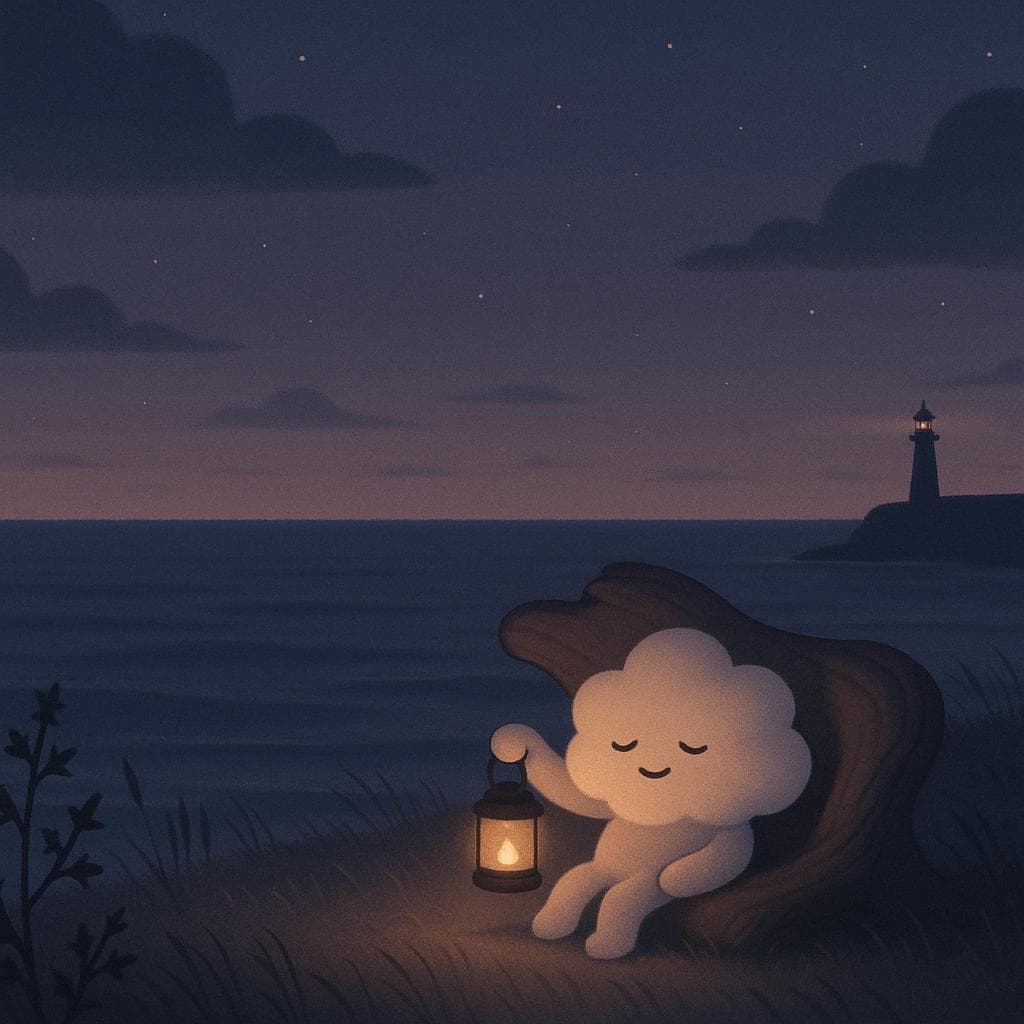
6. Getting support when you “seem fine”
One of the hardest parts of high-functioning burnout is convincing yourself you’re allowed to get help when you’re not “at rock bottom.”
You don’t need to wait until you break
There’s often a long delay between when people first notice emotional symptoms and when they get any kind of support—sometimes years (Wang et al., 2004; APA summaries, 2024). You don’t have to wait for a full collapse before you count as “struggling enough.”
Some signs it might be time to reach out:
- Burnout symptoms have lasted more than a few weeks
- Basic tasks (showering, laundry, emails) feel heavier and heavier
- You feel trapped in “nothing will ever change” thoughts
- Friends are starting to notice you’re not yourself
If you can’t afford therapy (or it feels out of reach)
A lot of students and young adults can’t easily access therapy. In fact, despite clear need, about 20% of U.S. adolescents reported having unmet care needs in the past year (CDC, 2025). That gap is real.
Some therapy alternatives and supports to explore:
-
Campus counseling or tele-counseling
Many schools offer a limited number of sessions included in tuition. We break this down in making the most of campus counseling services. -
Peer support and student groups
Support groups, identity-based orgs, or wellness clubs can be a softer entry into talking about how you feel. -
Digital tools and wellness apps
A gentle wellness app for college students can help you track mood, build tiny habits, and remember what helps—especially when your brain is fried. -
Self-guided CBT skills
CBT (cognitive behavioral therapy) skills like noticing unhelpful thoughts, scheduling small rewarding activities, and practicing calming techniques have strong evidence for helping with anxiety and low mood in youth (APA/CBT guides, 2022–2025; APA, 2023). You can start learning some of these on your own; we have a guide on CBT techniques you can practice without a therapist.
Gentle disclaimer
This article is for information and support, not a medical diagnosis or professional treatment plan. If your burnout and low mood are making it really hard to function day-to-day, or you’re worried about how you’re feeling, it’s worth talking with a counselor, therapist, or healthcare provider who can offer personalized care.
In summary
You don’t have to hit some invisible “crisis threshold” to deserve support. If you’re reading articles about burnout, that’s already a sign your inner system is asking for care.
7. Conclusion: You’re allowed to slow down
High-functioning burnout can make you feel like a glitch in the system: “Everyone thinks I’m the reliable one. Why can’t I just handle this?” But the truth is:
- You’re not broken for being tired
- You’re not weak for needing rest
- You’re not selfish for wanting your life to feel like more than survival
Think of your wellbeing like a garden. For a while, you’ve been yanking out weeds and planting new things non-stop—no watering, no sunlight, no pause. High-functioning burnout is the moment you look around and realize the soil is dry and you’re exhausted.
You don’t need to redesign the whole garden overnight. Your next step can be small:
- Pick one “maintenance mode” habit to try today
- Say no (or “not right now”) to one tiny thing
- Tell one trusted person, “I’m more burned out than I look”
If you’d like a gentle place to keep track of these tiny steps, you can download Melo and let your own little garden show you the progress your tired brain tends to forget—one small act of tending to yourself at a time.